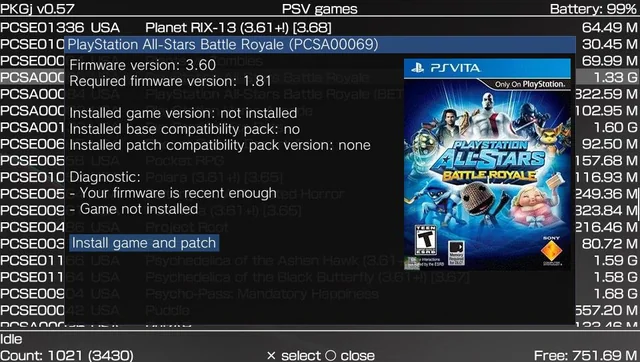

In the landscape of gaming software, especially within handheld console ecosystems, certain terms emerge from community-driven development that gain widespread attention even though they are not officially supported by the platform manufacturer. One such term is PKGJ, often written as PKGj. For many users encountering it for the first time, the name may seem technical or unclear, yet it has become widely recognized within discussions surrounding PlayStation Vita homebrew applications.
PKGJ is not an official Sony product, nor is it part of the official PlayStation Store ecosystem. Instead, it originates from the homebrew community, a group of developers and enthusiasts who create unofficial software to expand or modify the functionality of gaming devices. To fully understand PKGJ, it is necessary to explore not only what it stands for but also how it fits into the broader technological, cultural, and ethical environment of PlayStation handheld systems.
At its simplest, PKGJ is associated with the management and installation of digital package files used in PlayStation systems. However, behind this simple description lies a much larger story involving file structures, system architecture, community innovation, and ongoing debates about digital ownership and software modification.
The Meaning Behind PKGJ
The term PKGJ is derived from the concept of “PKG,” which refers to package files used by Sony PlayStation consoles. These PKG files are containers that store digital content such as games, downloadable content, updates, and applications. On official systems, these files are delivered through Sony’s PlayStation Store, where they are authenticated, encrypted, and installed through secure system processes.
The addition of the letter “J” in PKGJ does not have a universally agreed official meaning. In most interpretations within the community, it is associated with a naming convention chosen by the developer or contributors of the tool. It does not represent a formal acronym in the traditional sense, but rather identifies the specific application within a series of homebrew utilities designed for PlayStation Vita systems.
Therefore, PKGJ can be understood as a homebrew application designed to interact with PlayStation package files, primarily on modified PlayStation Vita devices, enabling users to browse and install digital content outside of official distribution channels.
The Role of PKG Files in PlayStation Systems
To fully grasp the purpose of PKGJ, one must first understand the role of PKG files within the PlayStation ecosystem. PKG files are structured archives used by Sony to distribute digital content. These files contain all the necessary components required for a game or application to function, including executable code, media assets, configuration data, and licensing information.
On official PlayStation systems, these files are tightly controlled. When a user purchases a game from the PlayStation Store, the system downloads a PKG file that is encrypted and signed to ensure authenticity. The console verifies the file before installation, ensuring that only legitimate content runs on the device.
This system is designed to protect intellectual property, maintain software integrity, and ensure a consistent user experience. However, it also creates a closed ecosystem where users are dependent on Sony’s infrastructure for accessing digital content.
PKGJ interacts with this structure in a different way. Rather than relying on official servers and authentication systems, it operates within a modified environment where package files can be accessed and installed through alternative means. This fundamental difference is what defines PKGJ as part of the homebrew ecosystem.
The Emergence of PKGJ in the Homebrew Community
The PlayStation Vita, released in 2011, was a powerful handheld console that initially received strong support from Sony. However, over time, official development and updates slowed, and eventually the platform was largely discontinued in terms of major commercial support. Despite this, the device maintained a dedicated user base that continued to explore its capabilities.
Within this environment, the homebrew community began to flourish. Developers created tools that allowed users to customize their devices, run unofficial software, and extend functionality beyond what Sony originally intended. PKGJ emerged from this movement as one of the most recognized tools for managing digital content on the PlayStation Vita.
Its development was driven by the desire to simplify access to game installations within the homebrew environment. Earlier methods often required complex file handling, manual transfers, and technical knowledge that limited accessibility. PKGJ introduced a more user-friendly interface that allowed users to browse available content and install it directly on their devices with minimal technical steps.
Over time, it became widely adopted within the community due to its convenience and ease of use.
How PKGJ Operates Within a Modified System
PKGJ functions only on systems that have been modified to run homebrew software. On an unmodified PlayStation Vita, the operating system enforces strict security measures that prevent unauthorized applications from running. To use PKGJ, users typically rely on system modifications that allow the execution of unsigned code.
Once installed, PKGJ acts as a front-end interface connected to external databases that contain listings of digital content. These databases are maintained by community contributors and provide metadata such as game titles, identifiers, and download sources.
When a user selects a game or application within PKGJ, the software retrieves the corresponding package file from a remote source. It then handles the installation process, integrating the content into the system so that it appears as a standard application on the home screen.
From a technical perspective, PKGJ streamlines several complex processes, including content retrieval, file management, and installation. However, it is important to understand that this functionality exists outside of official system support, which introduces both flexibility and risk.
The Appeal of PKGJ Among Users
The popularity of PKGJ can be attributed to several interconnected factors. One of the most significant is accessibility. Before tools like PKGJ existed, installing content on modified PlayStation systems required manual file transfers and a deeper understanding of system directories and file structures. PKGJ simplified this process by providing a graphical interface that handled much of the complexity automatically.
Another major factor is convenience. Users could browse available content directly from their device without needing to connect to a computer or external storage each time they wanted to install something new. This made the experience more seamless and closer to the official PlayStation Store in terms of usability.
The tool also gained attention because of the large volume of content available through community-maintained sources. This gave users access to a wide range of PlayStation Vita and PlayStation Portable titles, making the device feel more versatile even years after its official lifecycle had ended.
Additionally, PKGJ became symbolic of the broader homebrew movement, representing user empowerment and the ability to extend the life of older hardware beyond manufacturer support.
Technical Foundations and System Interaction
At a deeper level, PKGJ interacts with several key components of the PlayStation Vita system. The device itself runs a proprietary operating system designed by Sony, which includes strict sandboxing and encryption mechanisms. Homebrew tools like PKGJ operate by leveraging vulnerabilities or modifications that allow them to bypass certain restrictions.
Once these restrictions are lifted through system modification, PKGJ is able to execute within the environment and access storage directories normally reserved for official applications. It uses structured data sources to display available content and relies on network connections to retrieve package files.
The installation process involves placing files into system directories and registering them with the operating system so that they appear as installed applications. While this process may seem straightforward from a user perspective, it involves complex interactions between software layers, file systems, and system permissions.
Ethical and Legal Considerations
One of the most important aspects of discussing PKGJ is understanding its ethical and legal implications. While the tool itself is a piece of software created by independent developers, its usage can intersect with copyright law depending on how it is applied.
Digital games and applications are protected intellectual property. Official distribution channels such as the PlayStation Store are designed to ensure that developers and publishers receive compensation for their work. When software is obtained or distributed outside of these channels without authorization, it may violate copyright laws in many jurisdictions.
This creates an ongoing ethical debate within the gaming community. Supporters of homebrew tools argue that they contribute to digital preservation and allow users to continue enjoying older systems that are no longer commercially supported. Critics, however, emphasize the importance of respecting intellectual property rights and maintaining fair compensation for creators.
The reality is that PKGJ exists in a legal gray area depending on usage, region, and intent. Its presence highlights the tension between user freedom and corporate control in digital ecosystems.
Security Risks and System Stability
Beyond legal considerations, there are also technical risks associated with using tools like PKGJ. Modifying a gaming console introduces potential vulnerabilities that can affect system stability and security. Since these modifications are not officially supported, they can sometimes lead to unexpected behavior, software crashes, or data corruption.
Additionally, because PKGJ relies on external sources for content, there is always a risk that files may not be verified to the same standards as official distribution channels. This can expose users to potential security threats if caution is not exercised.
System modifications may also void warranties and prevent users from receiving official support from the manufacturer. For these reasons, experienced users often approach homebrew environments with caution and awareness of the risks involved.
PKGJ and Digital Preservation
Despite controversies, PKGJ plays a notable role in the discussion of digital preservation. As gaming systems age and official support ends, many titles risk becoming inaccessible to future users. Physical media may become rare or degraded, and digital storefronts may eventually shut down.
Homebrew tools like PKGJ contribute to preserving access to older games within enthusiast communities. While this does not replace official preservation efforts, it highlights the challenges associated with maintaining digital content over time.
This aspect of PKGJ reflects a broader issue in the gaming industry: how to preserve interactive media in a rapidly evolving technological landscape.
Cultural Impact of PKGJ
Beyond its technical function, PKGJ has become part of gaming culture, particularly among PlayStation Vita enthusiasts. It represents a period in which users took an active role in extending the life of their devices and exploring their full potential beyond official limitations.
The tool has also sparked conversations about ownership, control, and the relationship between users and technology providers. These discussions are not limited to PKGJ alone but are part of a larger global conversation about digital rights and software ecosystems.
Alternatives and Official Ecosystem
Within the official PlayStation ecosystem, users are encouraged to access content through authorized channels such as the PlayStation Store. These platforms ensure that content is verified, secure, and legally distributed.
Physical game copies also remain an alternative for users who prefer traditional ownership models. Additionally, subscription services offered by Sony provide access to curated libraries of games under licensed agreements.
These alternatives operate within clearly defined legal frameworks, contrasting with the unofficial nature of homebrew tools.
The Future of Homebrew Tools Like PKGJ
As gaming technology continues to evolve, the role of homebrew tools remains uncertain but significant. While modern consoles have stronger security systems, community interest in modification and customization continues to exist.
Tools like PKGJ demonstrate how users often seek greater flexibility and control over their devices. Whether for customization, preservation, or experimentation, the homebrew scene remains an active part of gaming culture.
However, future developments will likely continue to balance innovation with increasing emphasis on security and intellectual property protection.
Conclusion
PKGJ is a homebrew application associated with the PlayStation Vita that allows users to manage and install digital package files within a modified system environment. While its name originates from the concept of PlayStation package files, it has become widely recognized as part of the broader homebrew ecosystem.Its significance goes beyond simple functionality. PKGJ reflects the creativity of independent developers, the persistence of gaming communities, and the ongoing tension between open customization and controlled digital ecosystems. At the same time, it raises important legal, ethical, and security considerations that cannot be ignored. Ultimately, PKGJ stands as an example of how users interact with technology beyond its intended boundaries. It highlights both the opportunities and challenges that arise when software systems are opened to modification. Whether viewed as a useful tool, a controversial application, or a cultural phenomenon, PKGJ remains an important part of the conversation about digital gaming, ownership, and preservation in the modern era.